Works of
Ziyah Gafić, Antoine Séguin, Willy Vecchiato
Curated by
Steve Bisson
Orari
Sunday 4:30pm–7:30pm
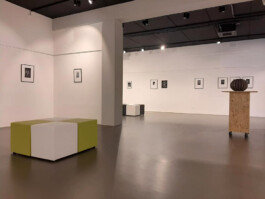
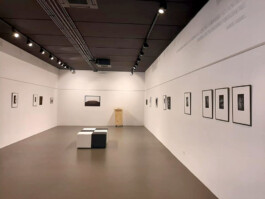
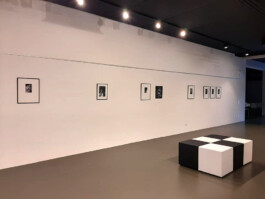
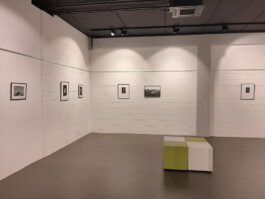
The exhibition "Lanzarote. Exegesis of a Landscape" presents works by Willy Vecchiato and Antoine Séguin. Patrizia Boschiero, coordinator of the activities of the Carlo Scarpa International Prize for Gardens, will introduce the work of the twenty-eighth edition (2017) and present the documentary film "Lanzarote, JardÃn de Cactus", directed by Ziyah Gafić. This is the second event in the programming cycle dedicated to landscape, curated by Steve Bisson, which aims to emphasize distinct ways of interpreting and critically representing the landscape in contemporary times, through both visual languages and editorial media.
In Willy Vecchiato’s project, "Lanzarote" is a landscape of origins. Here, the essential force of nature reigns supreme. The hand of the sun shapes and gives tangibility to perception. The absence of light is darkness: a muted fear. Lanzarote is a hymn to the elements that form the earth, the foundation of the senses upon which fragile human intentions rest. Like ancient wills engraved in stone, destined to fade at sunset. Lanzarote is an episteme and, at the same time, the very duration of primordial substance. Life, in which the sacred and the profane intertwine in a dream of eternity.
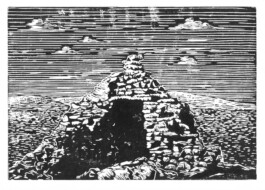
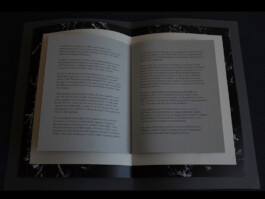
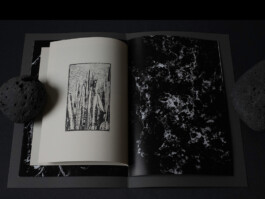
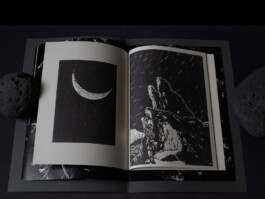
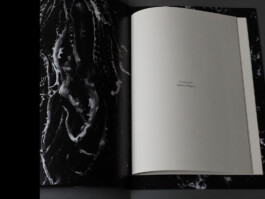
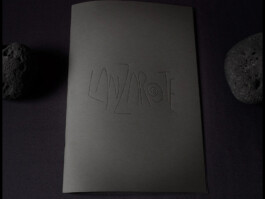
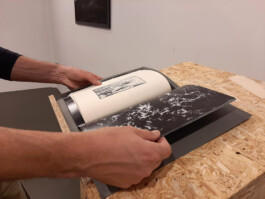
Antoine Séguin’s linocuts take inspiration from Vecchiato’s photographs. Primarily for the strength of his blacks and whites, which convey both depth and texture, but also for his choice of subjects: rocks, landscapes, plants… all natural, yet imperfect. The chosen technique reflects the roughness of the rock and the irregularity of surfaces. The act of carving, of digging into the material, creates fragility in the lines and forms of the French architect and artist’s drawings, allowing touches of white light to emerge from the darkness.
"Lanzarote, JardÃn de Cactus," the documentary film by Ziyah Gafić, was created for the Carlo Scarpa International Prize for Gardens exhibition. It explores the landscape of Lanzarote within the Canary Islands and, in particular, the life and work of the artist César Manrique (1919–1992), who developed a unique and profound reflection on the relationship between human settlement and the natural environment, during a period of increasing exposure to tourism development. This experience, especially the "JardÃn de Cactus", has highlighted and revitalized the island’s landscape, shaped by its material culture and agricultural practices, which, within the challenging volcanic environment, continue to convey values of universal ethical and aesthetic significance.


Works of
Ziyah Gafić, Antoine Séguin, Willy Vecchiato
Curated by
Steve Bisson
Orari
Sunday 4:30pm–7:30pm
The exhibition "Lanzarote. Exegesis of a Landscape" presents works by Willy Vecchiato and Antoine Séguin. Patrizia Boschiero, coordinator of the activities of the Carlo Scarpa International Prize for Gardens, will introduce the work of the twenty-eighth edition (2017) and present the documentary film "Lanzarote, JardÃn de Cactus", directed by Ziyah Gafić. This is the second event in the programming cycle dedicated to landscape, curated by Steve Bisson, which aims to emphasize distinct ways of interpreting and critically representing the landscape in contemporary times, through both visual languages and editorial media.
In Willy Vecchiato’s project, "Lanzarote" is a landscape of origins. Here, the essential force of nature reigns supreme. The hand of the sun shapes and gives tangibility to perception. The absence of light is darkness: a muted fear. Lanzarote is a hymn to the elements that form the earth, the foundation of the senses upon which fragile human intentions rest. Like ancient wills engraved in stone, destined to fade at sunset. Lanzarote is an episteme and, at the same time, the very duration of primordial substance. Life, in which the sacred and the profane intertwine in a dream of eternity.
Antoine Séguin’s linocuts take inspiration from Vecchiato’s photographs. Primarily for the strength of his blacks and whites, which convey both depth and texture, but also for his choice of subjects: rocks, landscapes, plants… all natural, yet imperfect. The chosen technique reflects the roughness of the rock and the irregularity of surfaces. The act of carving, of digging into the material, creates fragility in the lines and forms of the French architect and artist’s drawings, allowing touches of white light to emerge from the darkness.
"Lanzarote, JardÃn de Cactus," the documentary film by Ziyah Gafić, was created for the Carlo Scarpa International Prize for Gardens exhibition. It explores the landscape of Lanzarote within the Canary Islands and, in particular, the life and work of the artist César Manrique (1919–1992), who developed a unique and profound reflection on the relationship between human settlement and the natural environment, during a period of increasing exposure to tourism development. This experience, especially the "JardÃn de Cactus", has highlighted and revitalized the island’s landscape, shaped by its material culture and agricultural practices, which, within the challenging volcanic environment, continue to convey values of universal ethical and aesthetic significance.